

Explore the full lineup of sessions for Disrupting Trauma: The Power and Promise of Theological Formation.
Each session is designed to help participants engage the complex realities of trauma and consider how theological education can become more trauma-informed, healing-centered, and responsive. Browse the summaries below to discover the ideas, practices, and perspectives that will shape our time together.
If you are registered for the conference, please make sure you have submitted your breakout session preferences.
DAY ONE SESSIONS

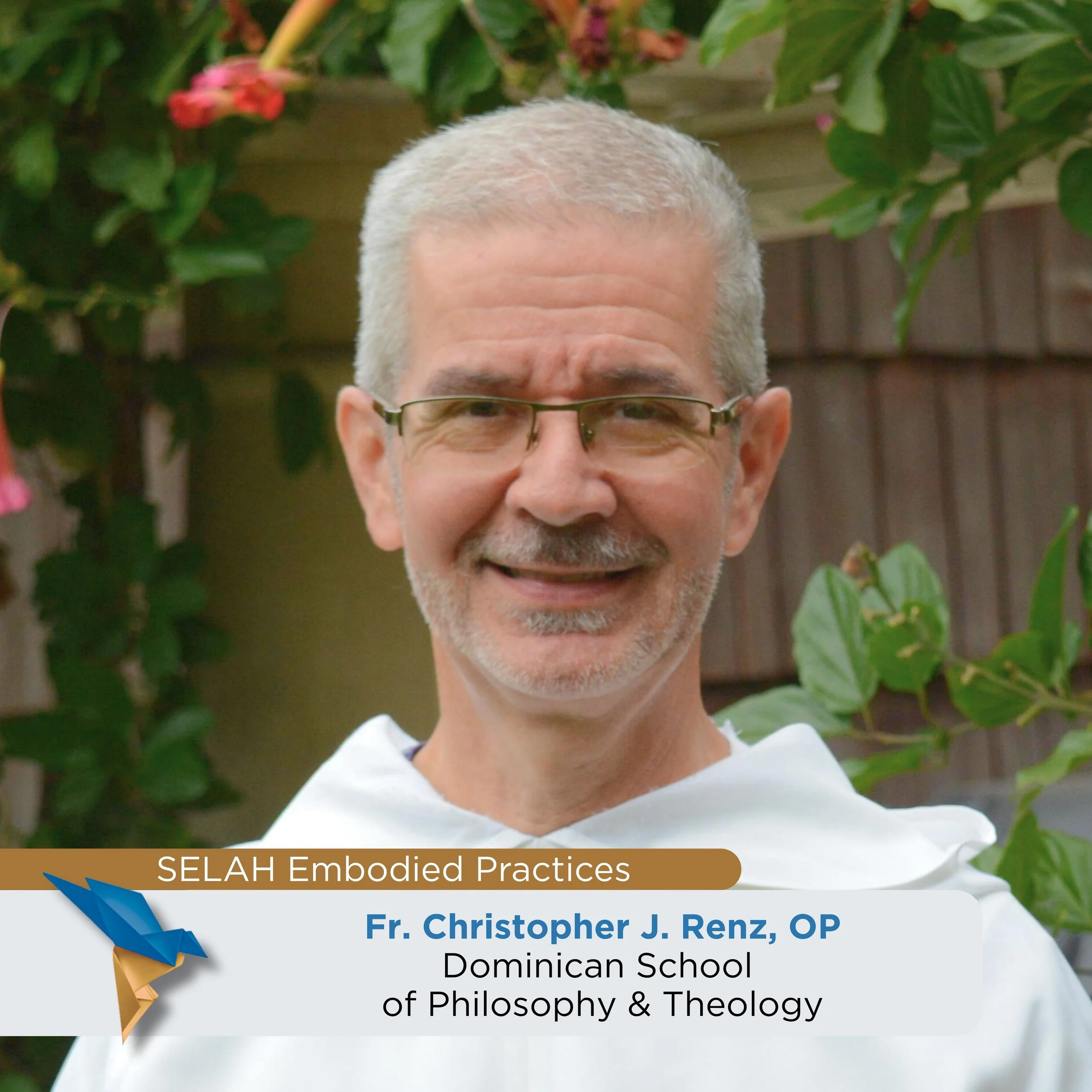
Workshop Group 1: Orienting Our Bodies Through Creative Art Practice
Breakout Session Guide: Fr. Christopher J. Renz, OP
How might creative art practices help us reconnect with our bodies, express what words cannot fully hold, and discover new possibilities for reflection and healing?
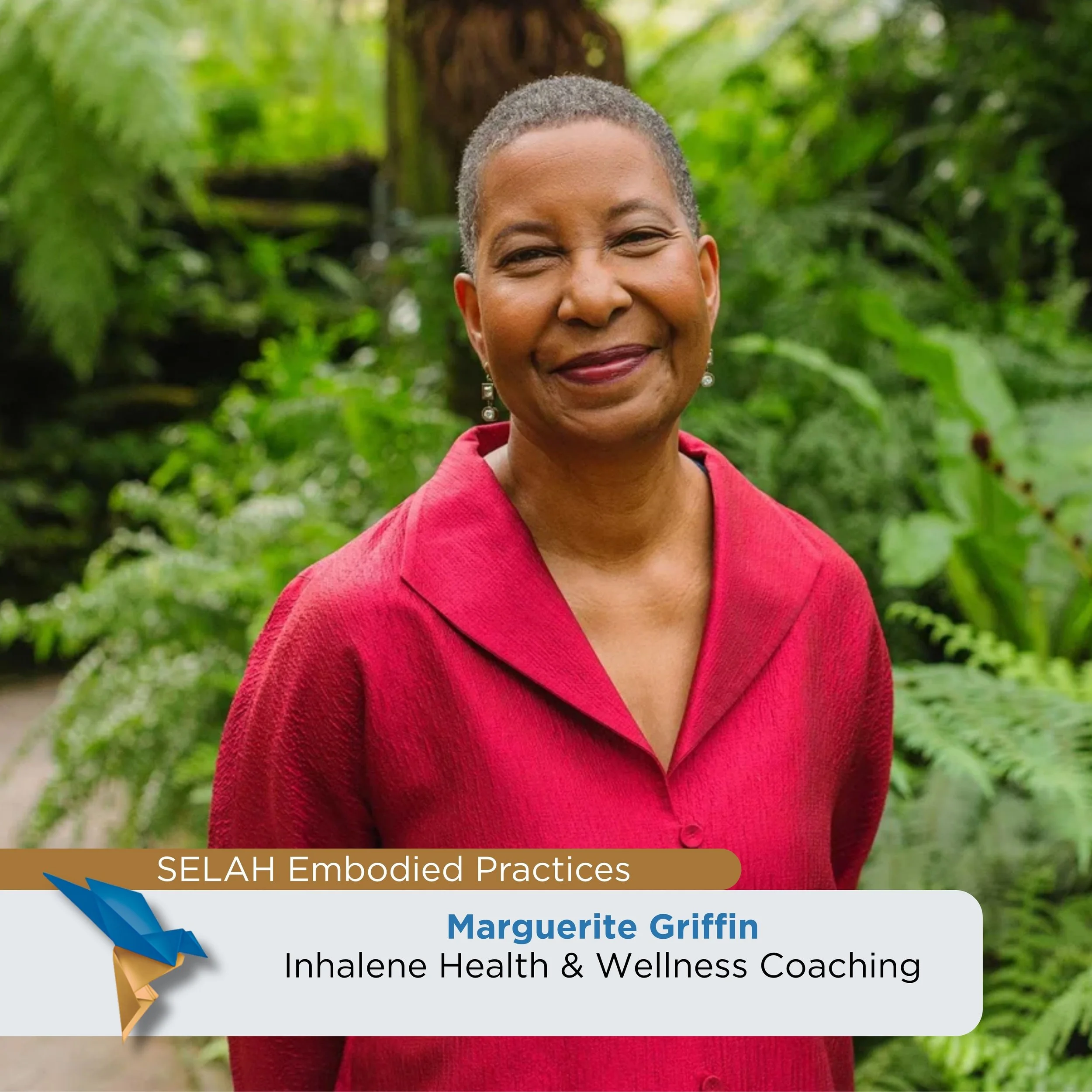
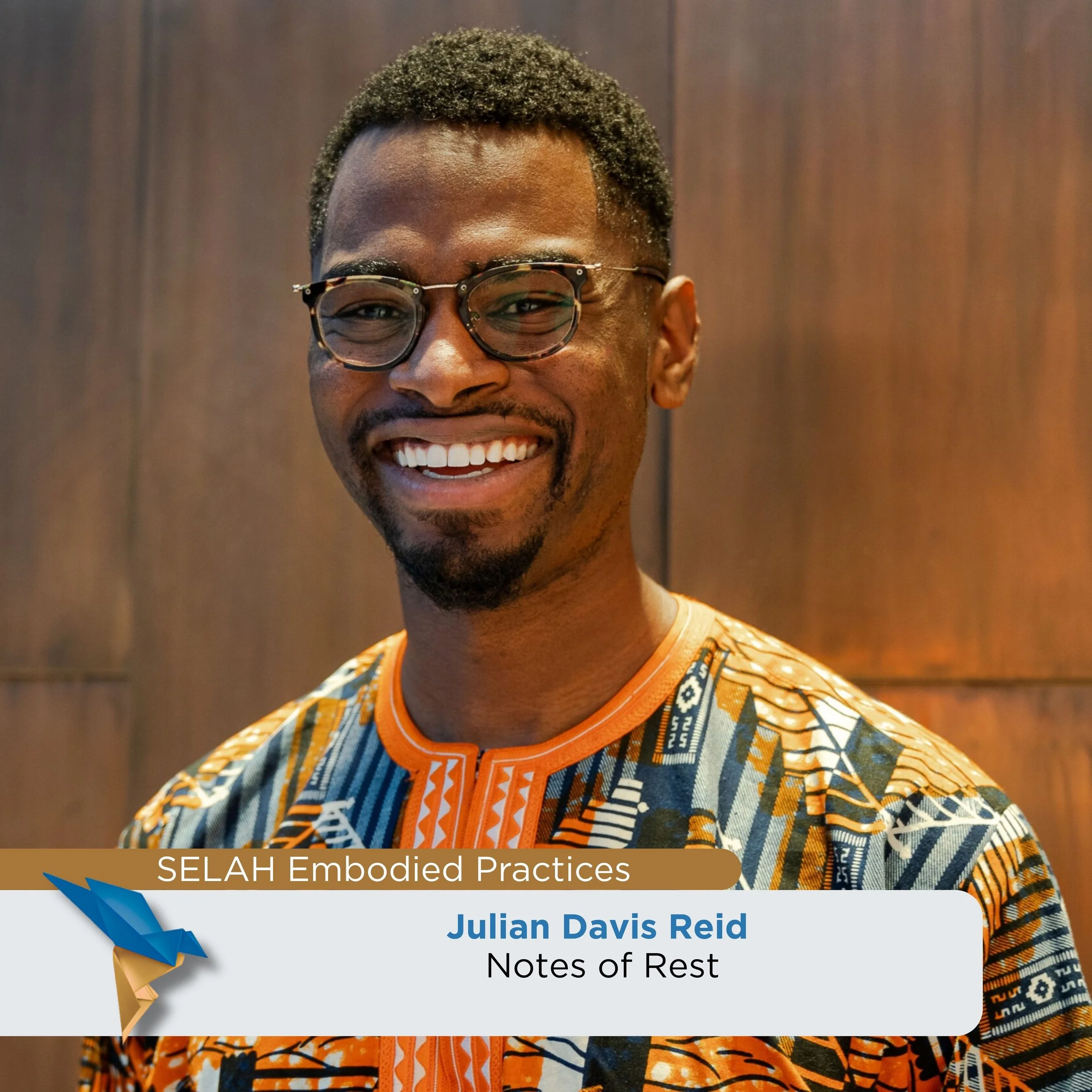
Workshop Group 2: Orienting Our Bodies Through Contemplative Practice
Breakout Session Guides: Marguerite H. Griffin and Julian Davis Reid
How might contemplative practices help us slow down, become more present to our bodies, and cultivate the grounding and awareness needed to navigate trauma?
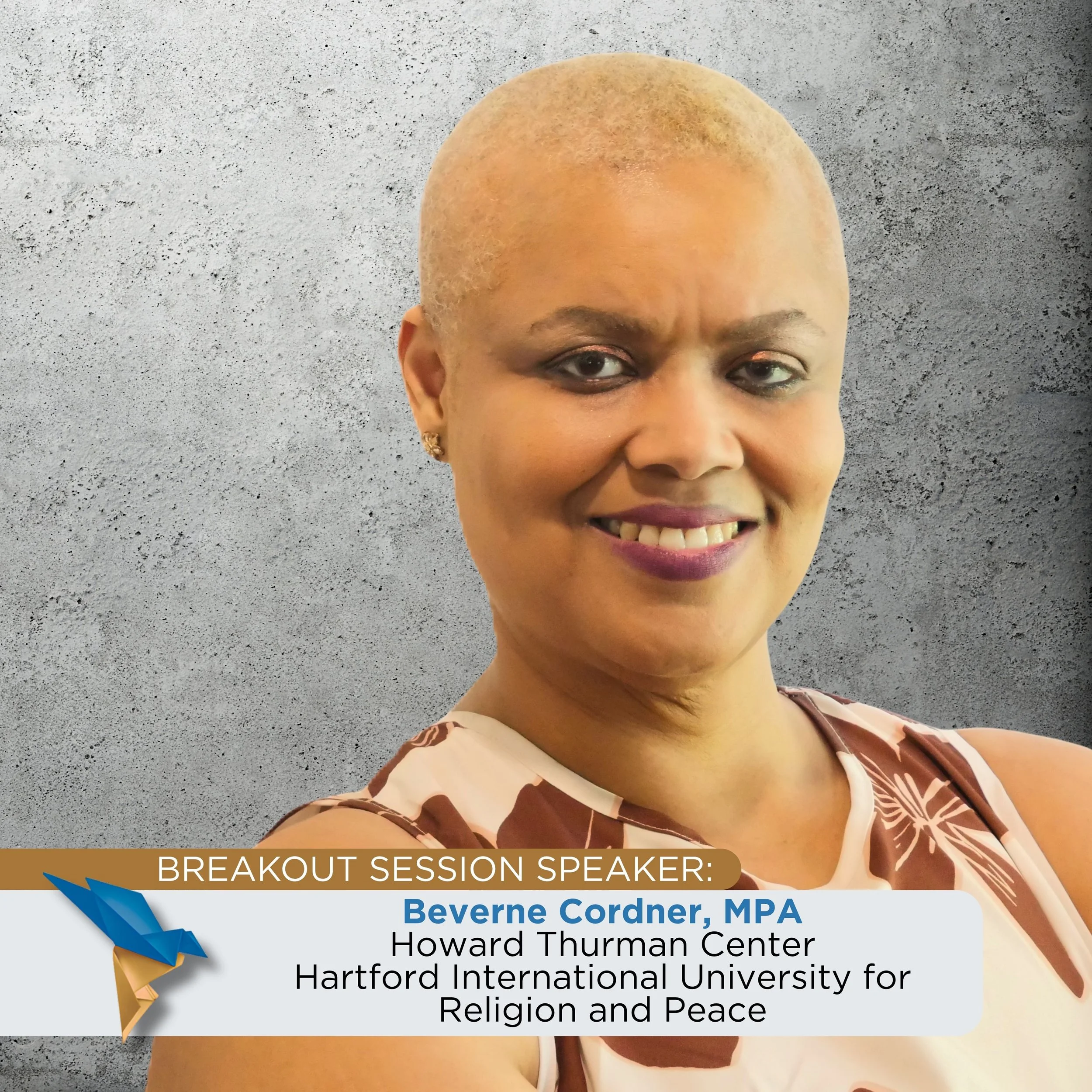
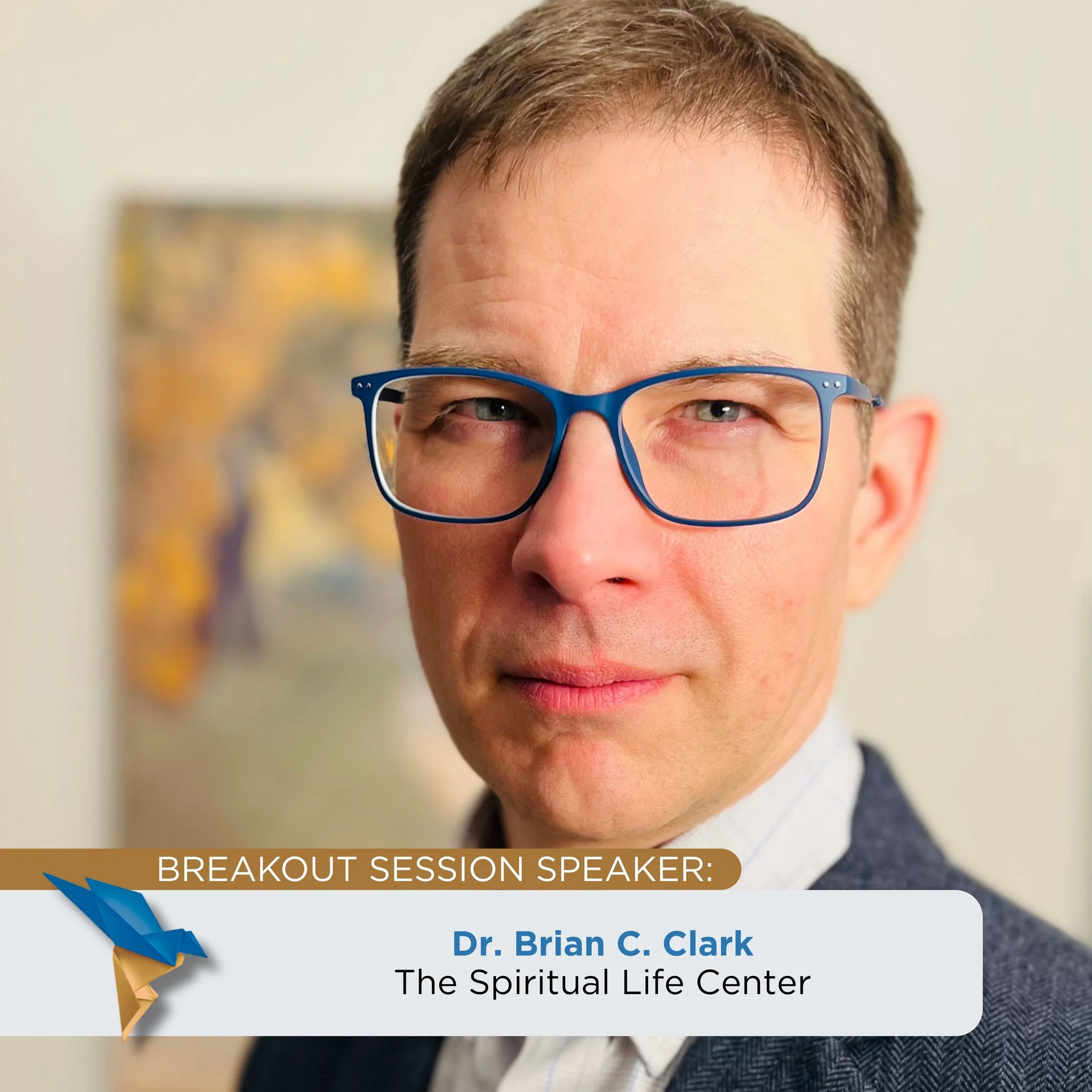
Workshop Group 3: Mapping Resilience—Using Life Course Trajectories to Navigate Trauma
Breakout Session Guides: Beverne Cordner, MPA, and Dr. Brian C. Clark
How might looking across the course of our lives help us better understand trauma, resilience, and the experiences that have shaped who we are and how we move through the world?

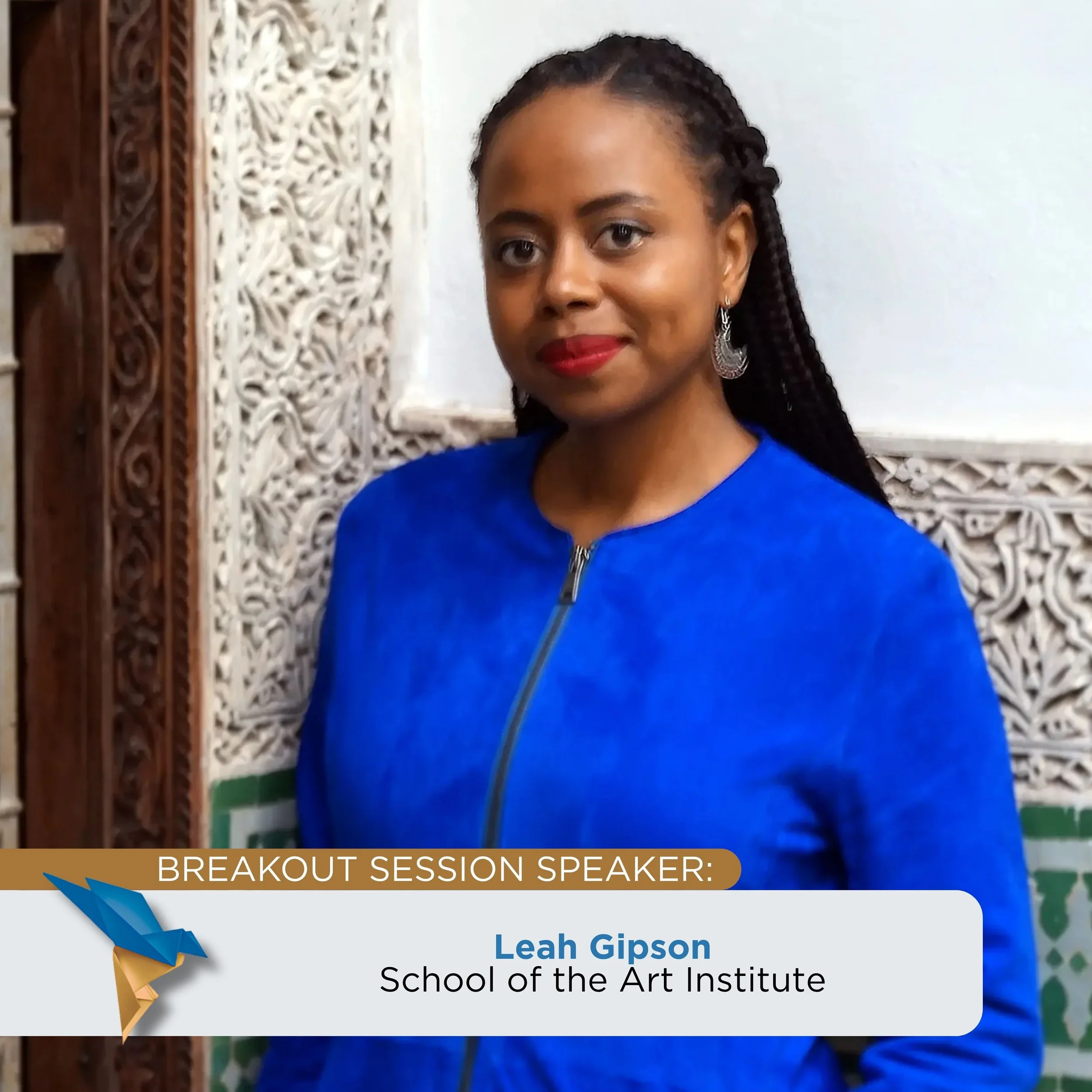
Workshop Group 4: Orienting Our Bodies Through Art Therapy
Breakout Session Guide: Leah Gipson
How might art therapy help us explore what our bodies carry, engage difficult experiences with care, and create space for expression, connection, and healing?
DAY TWO SESSIONS
FOR LEARNERS
What Does It Mean to Be a Trauma-Informed and Healing-Centered Learner?
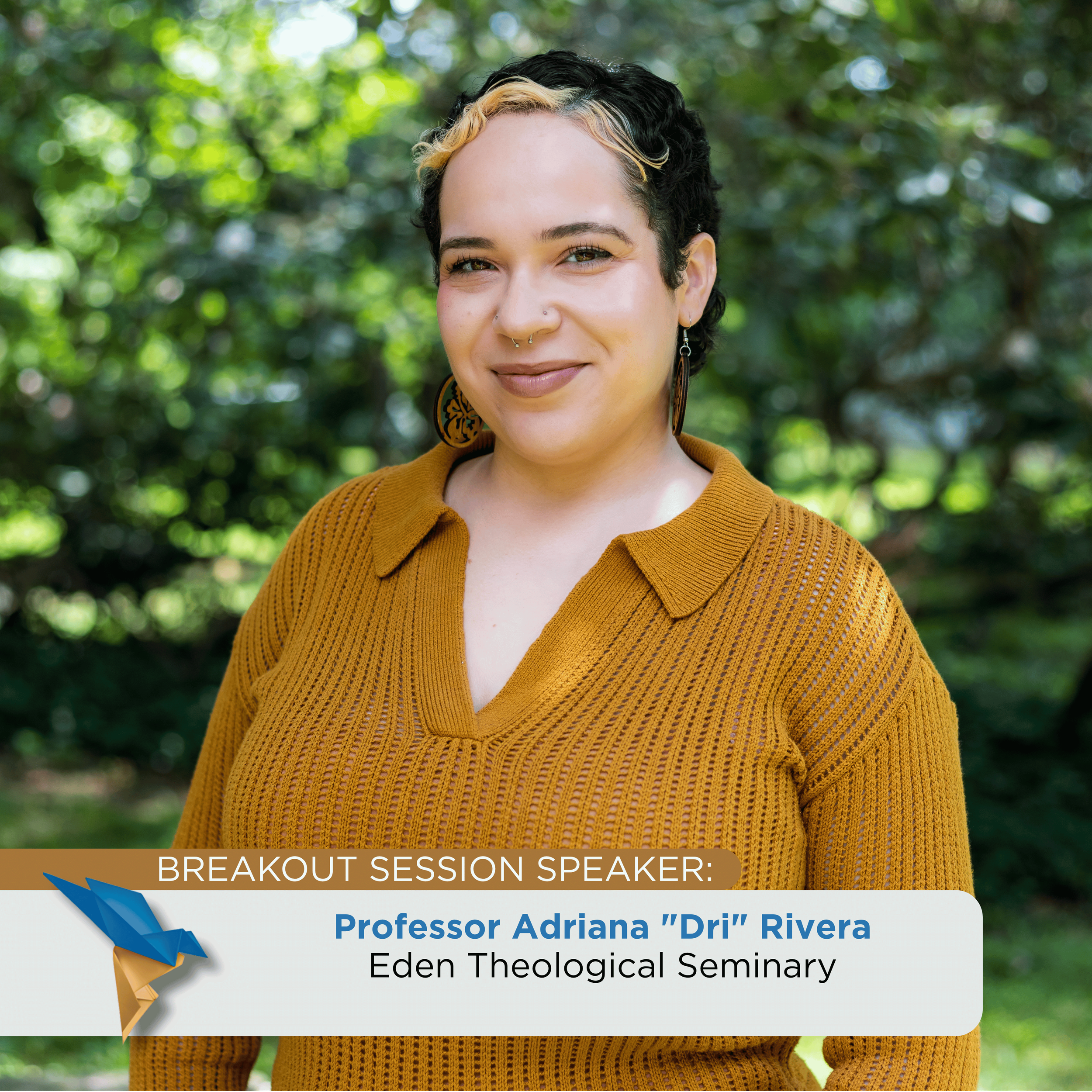
Breakout Session Guide: Professor Adriana “Dri” Rivera
What agency do learners have within trauma-informed formation? This session turns the lens toward the learner and explores practices for becoming an active participant in one's own learning, healing, and formation.
FOR FACULTY
From Syllabus Design and Content to Co-Regulation—What Is Trauma-Informed Teaching?
Breakout Session Guide: Dr. Eunil David Cho
What changes when trauma-informed practice shapes not only what we teach, but how we design courses, build learning environments, relate to students, and understand the work of teaching itself?
FOR STAFF
Recognizing Trauma—Tips for Trauma-Informed Responses to Learners in Times of Crisis
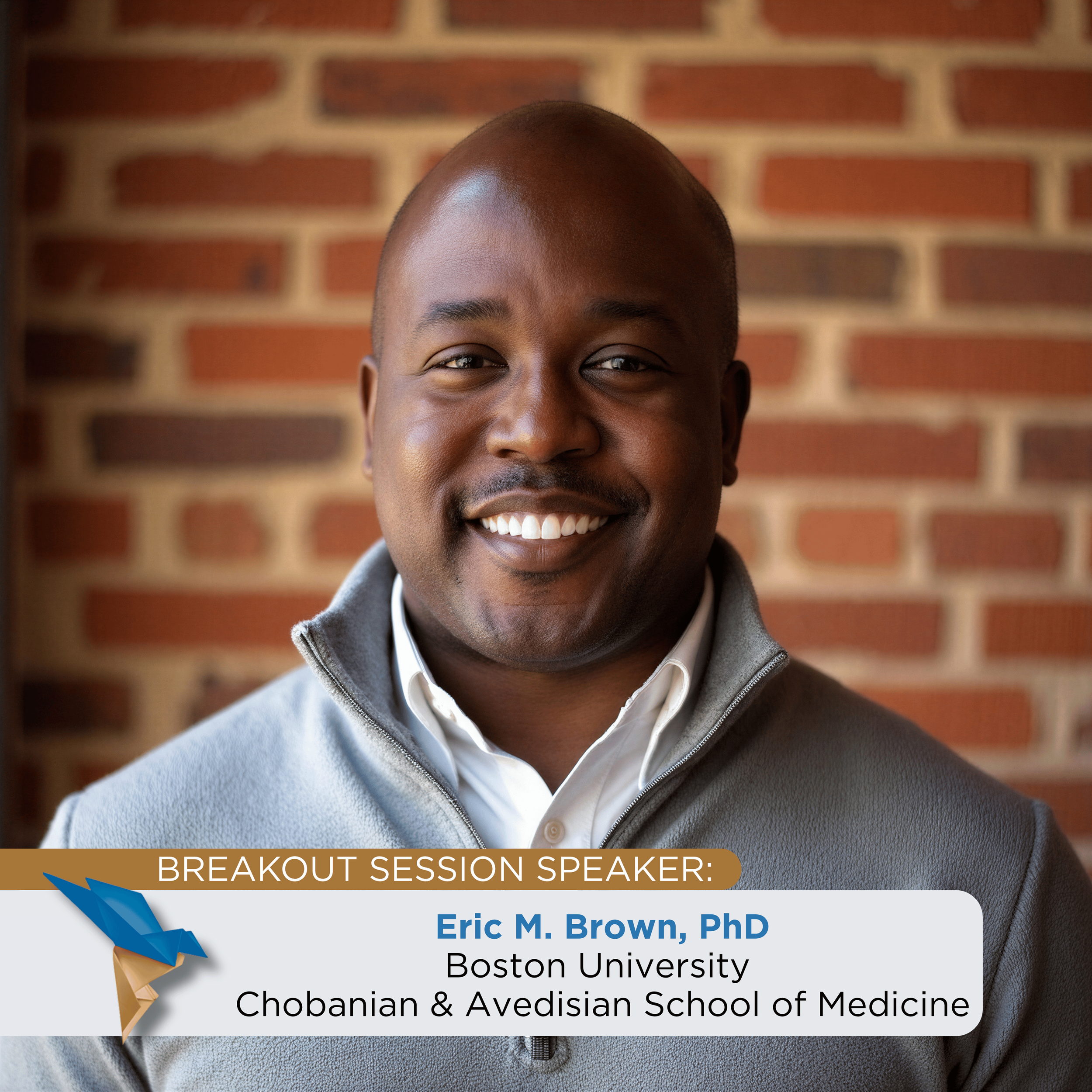
Breakout Session Guide: Dr. Eric M. Brown, PhD
How do we recognize when trauma may be affecting a learner—and how can we respond with greater awareness, care, and intention?
FOR ADMINISTRATORS
How to Notice—and What to Do—If You’re Leading an Institution with a Traumatic Culture
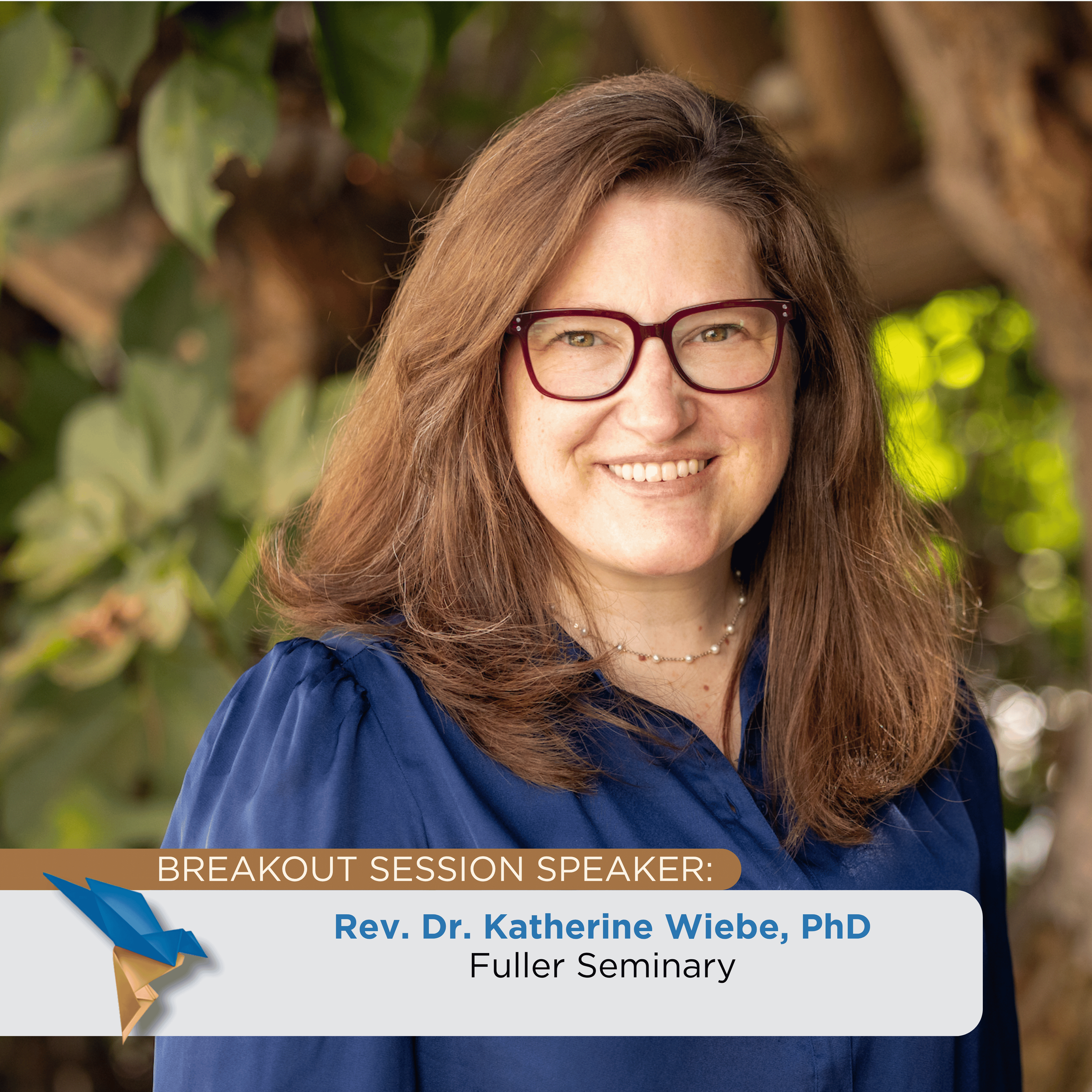
Breakout Session Guide: Dr. Katherine Wiebe
What happens when trauma isn't only something individuals carry, but becomes embedded within the culture of an institution? How might leaders recognize it and begin responding differently?